Services

Positive behaviour support for catastrophic injuries

A catastrophic injury changes everything, for the person injured and for the family around them. When a brain injury also changes mood, impulse control, or how someone copes, the behaviour that follows can feel like one more thing no one has answers for. It usually means something. Target Behaviour Services is the specialist team that works out what.

Make an enquiry
ICWA - Insurance Commission of Western Australia

Registered Provider

24hr

Response Commitment

5 ★

Google Reviews

100%

Audit Compliance

Mother holding her teenage daughter close on a couch in a sunlit living room.

What does positive behaviour support actually involve after a catastrophic injury?

Positive behaviour support after a catastrophic injury is a clinical approach that looks past the behaviour to what is driving it, then changes the environment and the supports around the person so the behaviour no longer has to do the talking. After an acquired or traumatic brain injury, that driver is often fatigue, pain, sensory overload, communication that is not being understood, or emotion that is hard to regulate since the injury.

It is not about compliance, and it does not ask anyone to suppress who they are. We do not use punitive or reward-and-consequence models. We work out why a behaviour is happening for this specific person, then adjust the things around them so daily life gets easier, for them and for everyone supporting them.

For some people that means fewer moments of crisis. For others it means being able to stay at home, return to work or study, or move through the community with less distress.

Positive behaviour support is a recognised, evidence-based approach for behaviours of concern after brain injury. We will tell you honestly what is realistic, and we won’t promise outcomes the evidence can’t back.

Learn about the assessment process

Recognised by the sector

Independent awards for our Positive Behaviour Support work – the kind families and referrers can rely on.

  • Corporate Vision Australian Enterprise Awards 2024 winner badge for Target Behaviour Services: Most Dedicated Woman-Owned Disability Support Organization 2024, Perth.

    2024

    Most Dedicated Woman-Owned Disability Support Organization - Perth

  • Corporate Vision Australian Enterprise Awards 2025 winner badge for Target Behaviour Services: Most Innovative Positive Behaviour Support Organisation 2025.

    2025

    Most Innovative Positive Behaviour Support Organisation

  • APAC Insider Australian Enterprise Awards 2026 winner badge for Target Behaviour Services: Inclusive Support Excellence Award 2026.

    2026

    Inclusive Support Excellence Award

  • APAC Insider Australian Enterprise Awards 2026 winner badge for Target Behaviour Services: Best Positive Behaviour Support Organisation 2026.

    2026

    Best Positive Behaviour Support Organisation

When catastrophic injury support isn't working the way you hoped

Every person’s recovery from a catastrophic injury looks different. Here are the situations where families and coordinators most often reach out to us.

When behaviour has changed since the injury

Agitation, aggression, disinhibition, or distress that wasn’t there before. These are common after a brain injury. We assess what is triggering them and build supports that reduce how often distress takes over.

When the support team is stretched and unsure

Family, support workers, and clinicians are all doing their best, but the strategies keep failing. We coach the people around the person so the plan works when we are not in the room.

When the injury goes beyond the physical

A catastrophic injury rarely affects one element of health alone. We support people whose acquired brain injury sits alongside cognitive, communication, or mental health needs, including complex cases other providers turn away.

When support is needed in high-intensity settings

Supported accommodation, community, forensic, or correctional environments with real complexity. We have the experience and compliance to work within them.

When you've been told there's a waitlist

Distress doesn’t wait, so neither do we. We respond within 24 hours on business days and take referrals across all ages and all levels of complexity.

When you're in regional WA and can't reach a specialist

Distance shouldn’t decide the support you get. We deliver specialist behaviour support over telehealth, right across regional and remote WA.

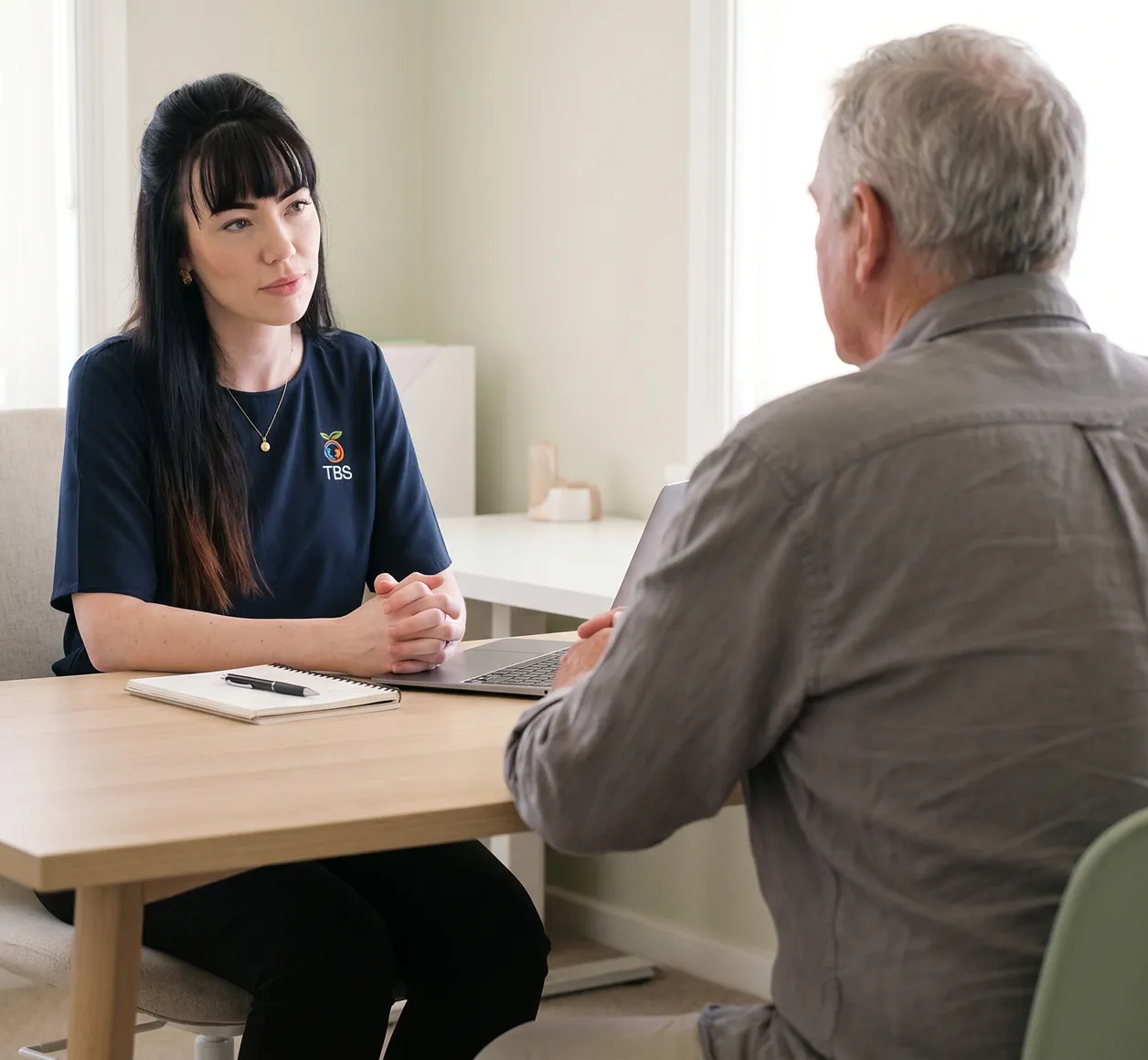
A Target Behaviour Services practitioner sits at her desk listening to an older male participant during a behaviour support consultation.

How ICWA funding works

If the catastrophic injury happened in a motor vehicle accident in WA on or after 1 July 2016, or a workplace accident in WA on or after 1 July 2024, the person may be eligible for the Catastrophic Injuries Support (CIS) Scheme. This is a no-fault scheme run by the Insurance Commission of Western Australia (ICWA). It provides necessary and reasonable treatment, care and support, regardless of who was at fault.

Behaviour support is delivered as allied health under a person’s ICWA plan. Here is how that works in practice:

  • ICWA is the funder, not us. We are an independent Positive Behaviour Support provider. ICWA, through the person’s Care Services Coordinator, assesses and approves the support.
  • Support is written into the Client Plan. The person and their Care Services Coordinator agree what is needed, and behaviour support is included in the plan.
  • A Provider Plan confirms the work. Before we begin, ICWA issues a Provider Plan setting out the approved services and how long they run for. We deliver against that and bill ICWA directly.
  • A person can be on the CIS Scheme and the NDIS at the same time. The NDIS complements statutory-scheme support rather than replacing it, so accident-related behaviour support is funded through ICWA.

We can’t guarantee a funding decision, but we can talk you through how the pathway works and what to ask your Care Services Coordinator.

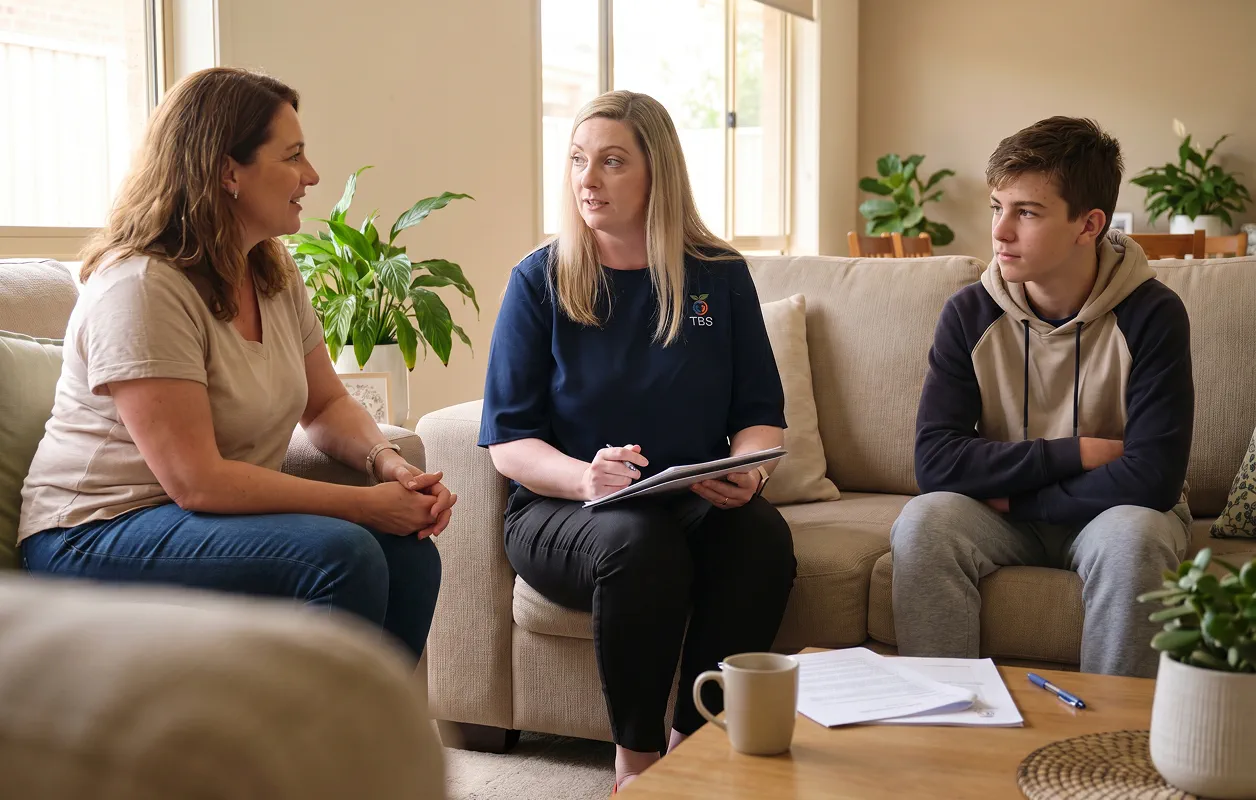
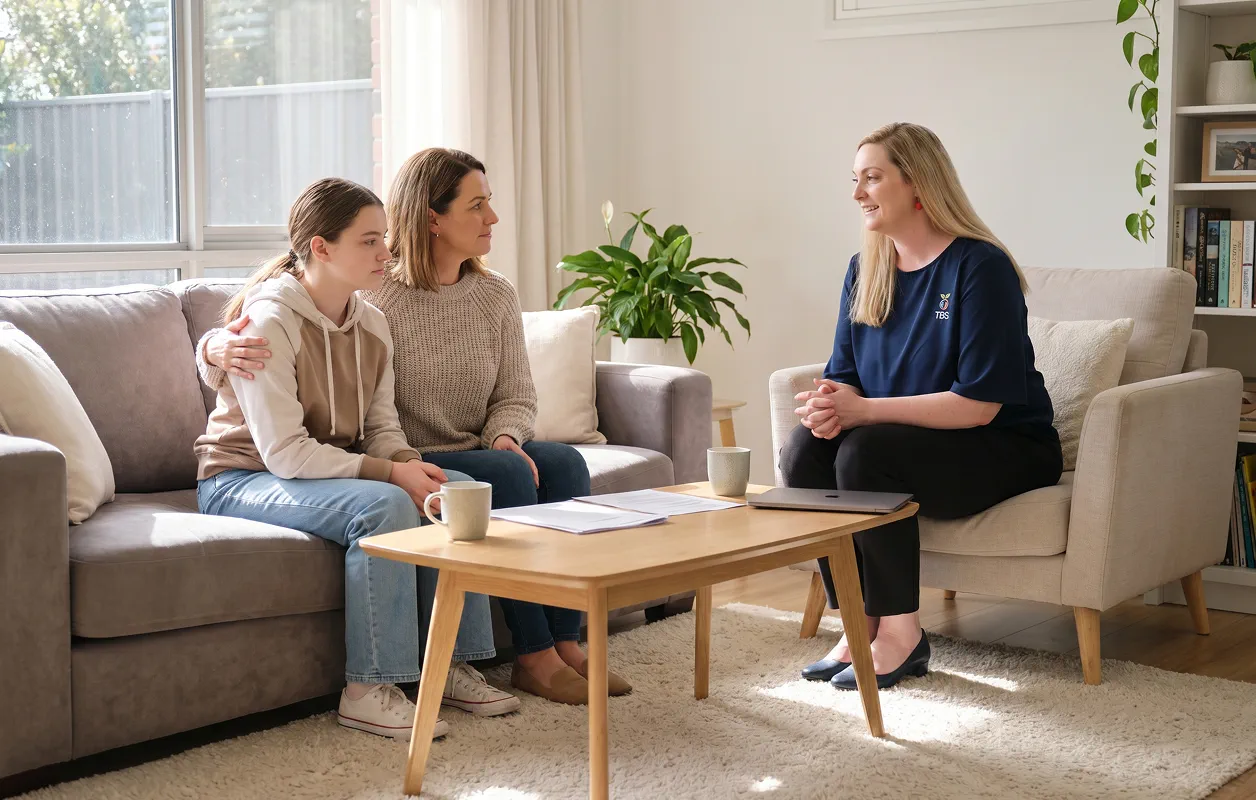
A Target Behaviour Services practitioner sits with a mother and her teenage son in their living room during a behaviour support discussion.

Tailored to every age and stage

A brain injury affects a four-year-old differently to a forty-year-old, and so does the right support. We work with people of all ages and all complexity:

  • Children and teens, support at home and school after injury, working closely with parents, carers, and teachers.
  • Adults, rebuilding independence, work, relationships, and community participation, with the person leading their own goals.
  • Alongside your existing team, we work with support workers, therapists, and coordinators already in place, not in place of them.
  • Regional and remote WA, telehealth means you don’t have to live near a city to get specialist support.

No two people are the same, so no two plans are either. We start with the person in front of us and go from there.

Enquire today

Support for families and professionals assisting someone with a catastrophic injury plan

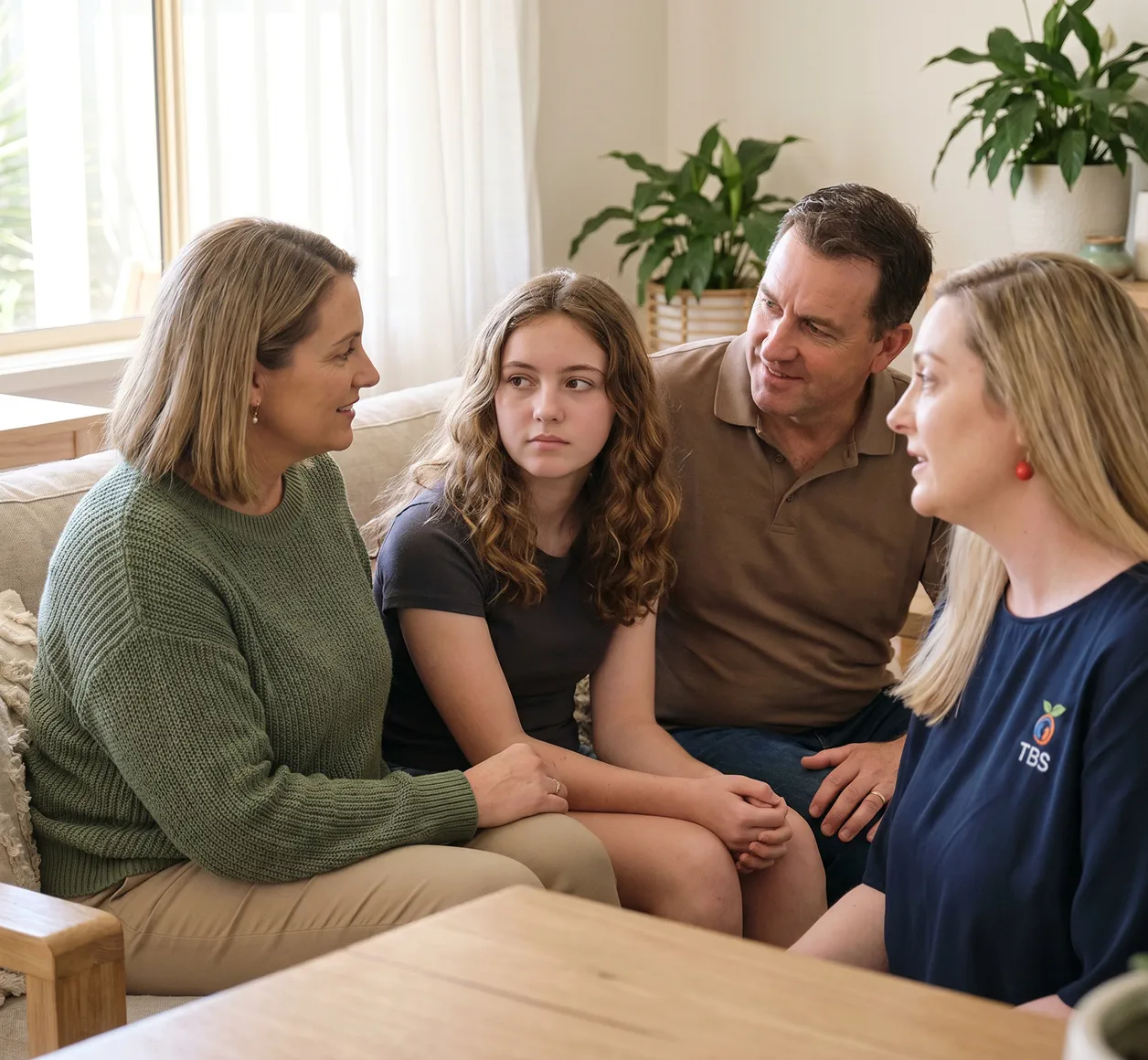
A Target Behaviour Services practitioner speaks with a family of four sitting together on a couch in their sunlit living room.

For families and carers

You know the person better than anyone, and you have watched them change since the injury. You shouldn't have to manage the hard days alone. We work alongside you to understand what is driving the behaviour and build support that fits your real life, at home and out in the community.

Positive behaviour support is all we do, and we work with people of every age and complexity. You get a specialist team that understands brain injury and behaviour, stays for the long term, and tells you the truth rather than what you want to hear.

Make an Enquiry
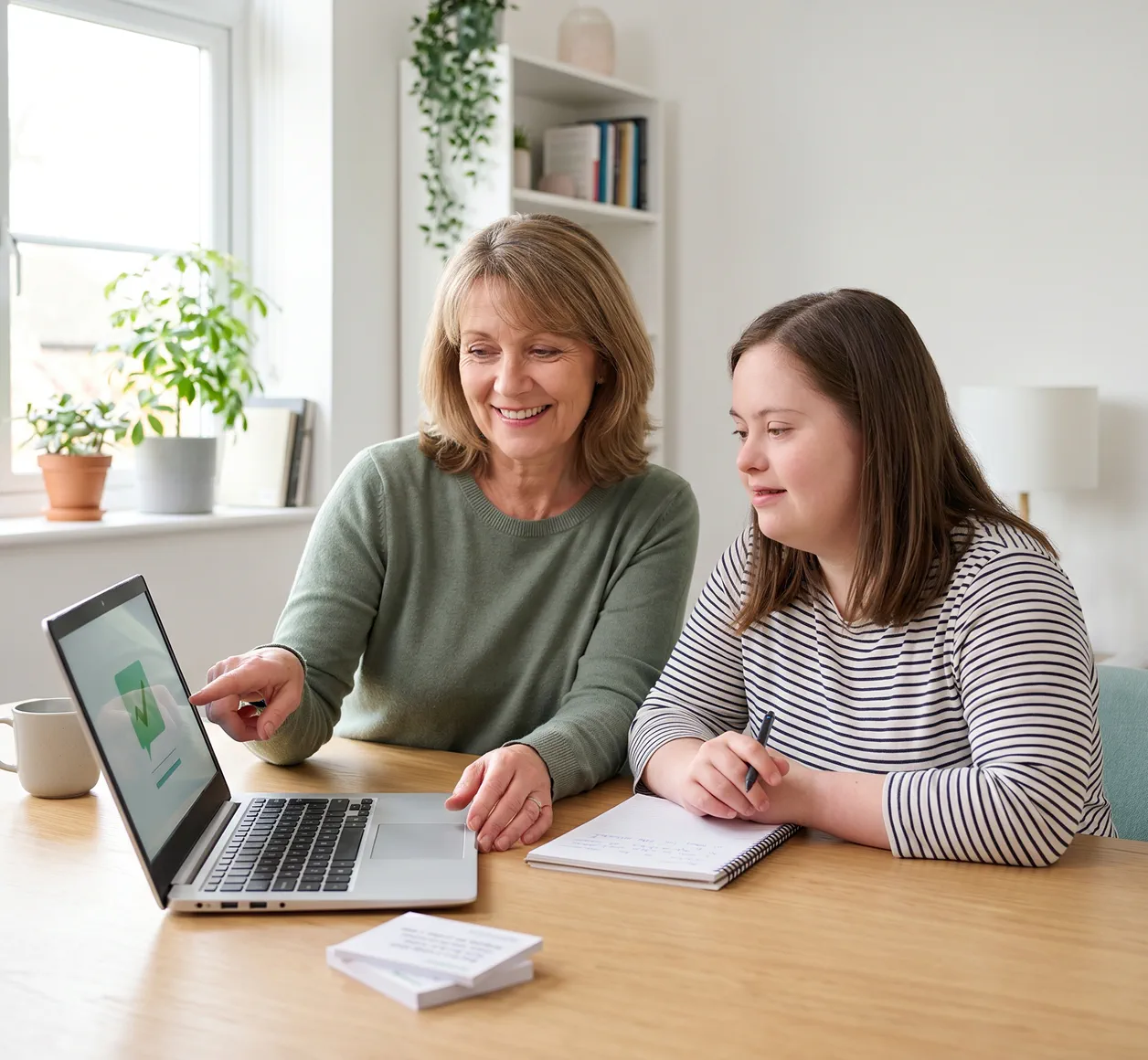
A support worker shows information on a laptop to a young participant with Down syndrome during a one-on-one session.

For Care Services Coordinators and Support Coordinators

If you are arranging behaviour support for someone with a catastrophic injury, especially an acquired brain injury with behaviours of concern, we take the complex referrals other providers won't. We respond within 24 hours on business days, with no waitlist.

We are NDIS-registered with zero non-conformities across every audit, and we deliver behaviour support that ICWA can approve and fund through a Provider Plan. Our reports are clear and evidence-based, so the person you refer gets a straight path to the support they need.

Make a Referral
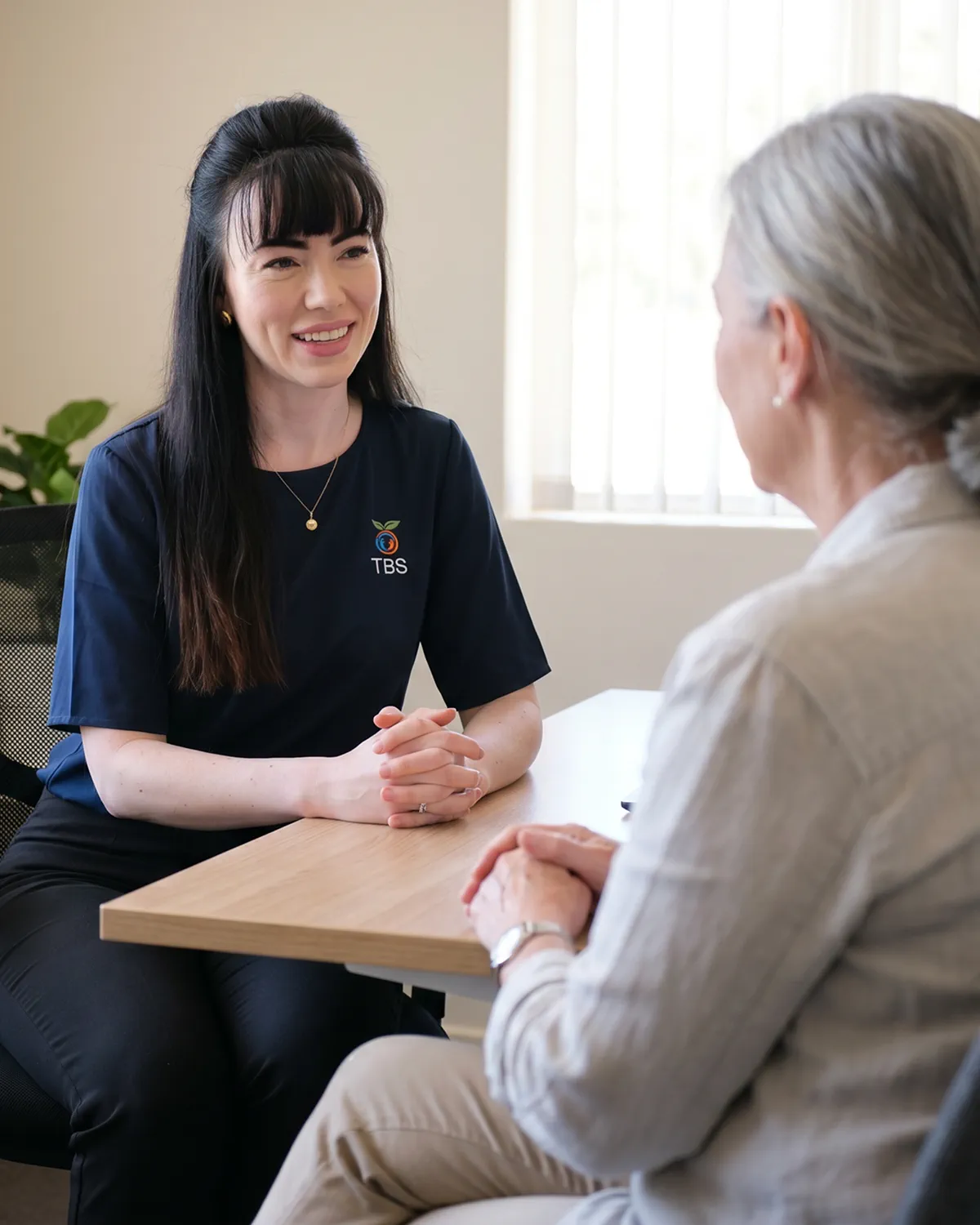
A Target Behaviour Services practitioner smiles warmly while speaking with an older female participant during a mental health support session at her desk.

How positive behaviour support for catastrophic injuries works with us

A clear, supportive process built around the person, the environment, and the challenging behaviours at hand. Here’s what working with us looks like.

  1. We get to know the person, not just the behaviour

    We spend time understanding the person, how the injury has affected them, how they communicate, what they respond to, and what tips them into distress. No two assessments look the same.

  2. We work out what the behaviour is doing

    Through a functional behaviour assessment, we find the reason behind the behaviours of concern, the need that isn’t being met, rather than treating the behaviour as the problem to be stamped out.

  3. We build supports around real life

    The plan is written for where the person actually spends their day, at home or in the community. We coach the people around them, including any daily-support providers already involved, so the strategies work when we are not in the room.

  4. We adjust as recovery moves

    Behaviour support after an injury is long-term, and meaningful change usually takes a minimum of six months. We review what is working, change what isn’t, and stay for the long haul, which is why our clinicians stay for years.

Ready to understand what’s behind the behaviour? We respond to every enquiry within 1 business day.

Let's chat

Trusted by families and professionals

Hear from families and referrers who've worked with us through positive behaviour therapy and care plans for catastrophic injury support.

Frankie and the TBS team have been responsive, on the ball, and genuinely great to work alongside. We always know where things are up to, and we're never left chasing for an answer. Honestly, we love having Target Behaviour Services on our side.

Megan C

We had the best services from Faith and Rex from Target Behaviour Support. They were reachable when we needed them and they gave us clear working behaviour strategies on how our team could be efficient. Their reports were timeous and above all they have been consistent. I recommend their services anytime.

Nqobizitha N

We have had the pleasure of working with Faith and her professionalism, clinical insight, and consistency have been outstanding. She communicates clearly, works collaboratively with support teams, and always keeps the participant's needs at the centre of her practice.

Akshay D

I have had consistently excellent experiences with Target. They always go above and beyond for their participants and bring a genuine, person centred approach to every single situation. They collaborate so professionally. Communication is clear, timely, and focused on achieving the best outcomes - every time.

Leanne H

From the very start, the support has been outstanding, and our whole family is genuinely happy with how things are going. We really appreciate the dedication and the clear communication, and the difference it's made in such a short time has been remarkable. It's reassuring to finally feel this well looked after.

Rebecca T

We've achieved more in just a few months than we managed with our previous providers in years. The commitment and care really stand out, and it's been wonderful to watch the progress and the trust that's been built with our family. They genuinely go above and beyond, and we're so grateful for it.

Anonymous

They're always quick to respond when we reach out, and so understanding and supportive with it. They keep the person at the centre of everything and stay flexible whenever our needs change. Having someone this easy to work with has made a real difference.

Hannah P

Once again we are very grateful for the effort and work you are putting into helping Ella get the best supports available to her. You are amazing at your job!

Ray and Jess

Frequently asked questions

Common questions from families of catastrophic injury participants.

Is Positive Behaviour Support covered by ICWA?

Yes, when it is part of the person’s approved support. Behaviour support is delivered as allied health under the Catastrophic Injuries Support Scheme. ICWA, through the Care Services Coordinator, assesses and approves it, and issues a Provider Plan before we begin. We can’t guarantee a funding decision, but we can explain the pathway and what to raise with your coordinator.

What is Positive Behaviour Support after a brain injury?

It is a clinical, person-centred approach to behaviours of concern that can follow an acquired or traumatic brain injury, such as agitation, aggression, or distress. We assess what is driving the behaviour, then adjust the environment and supports around the person so it happens less often and quality of life improves. It is evidence-based and supportive, never punitive.

Do you replace our existing support workers or care team?

No. Positive behaviour support is a specialist behaviour service, not personal care. We sit alongside your existing support workers, therapists, and coordinators. We assess behaviour, write the behaviour support plan, and coach the people already involved so the strategies work day to day.

Do you work with people who have both an ICWA plan and an NDIS plan?

Yes. A person can be on the Catastrophic Injuries Support Scheme and the NDIS at the same time. The NDIS complements statutory-scheme support rather than replacing it, so accident-related behaviour support is funded through ICWA. We work within whichever plan applies and alongside the coordinators involved.

How long before we start seeing change?

Behaviour support after an injury is long-term. Meaningful change usually takes a minimum of six months and depends on the person, their recovery, and the supports around them. We set realistic expectations from the start rather than overpromise.

Ready to take the next step?

We respond to all enquiries and referrals within 24 hours on business days. No waitlist, no complexity turned away.