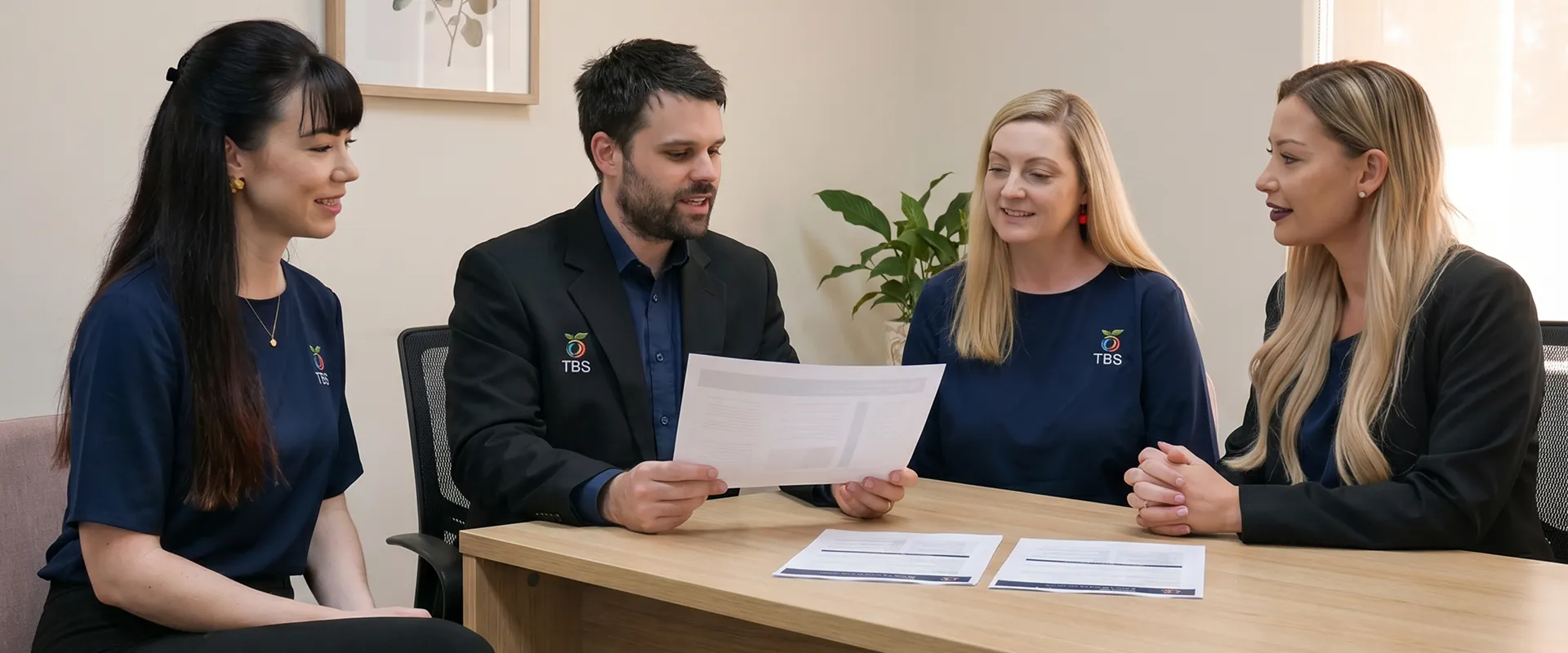

People approaching a plan reassessment
A well-written Letter of Recommendation is one of the most effective tools available to support a plan reassessment. If yours is coming up, now’s the time to talk.
Services
Formal clinical reports that make the case for the NDIS funding your family member needs – across every support category, not just behaviour support.


An NDIS Letter of Recommendation, also called a Section 48 (S48) report or letter of support, is a formal clinical document submitted to the NDIS that sets out in evidence why a participant needs particular supports, and recommends the funding to cover them.
If your family member’s current plan doesn’t reflect what they actually need, it’s how that case gets made properly: not a complaint, but a clear, professional, evidence-based account of what’s needed and why.
Most providers write one only for their own service – a behaviour support provider recommends behaviour support funding, and stops there. We don’t.
Because we look across the participant’s whole NDIS plan, our letters can recommend funding across every category we can see is needed, such as core supports, capacity building, assistive technology, home modifications, and more.
We don’t just advocate for our own funding. We advocate for the participant.
If your family member’s NDIS funding isn’t reflecting their true needs, a Letter of Recommendation or S48 report can change that. Here’s who it’s designed for.
A well-written Letter of Recommendation is one of the most effective tools available to support a plan reassessment. If yours is coming up, now’s the time to talk.
If the current plan doesn’t adequately cover what’s needed, a Letter of Recommendation provides the clinical evidence to make the case at reassessment.
Where there are real needs the plan has never covered, we identify them, document them, and back them with formal clinical recommendations.
We work with support coordinators to provide Letters of Recommendation that reinforce the case across the participant’s whole plan – giving you a strong, evidence-based document to take into reassessment.
Where needs are high and the stakes are higher, the right clinical documentation helps everyone understand the full scope of what adequate funding looks like.
Nqobizitha NWe had the best services from Target Behaviour Support. They were reachable when we needed them and they gave us clear working behaviour strategies on how our team could be efficient. Their reports were timeous and above all they have been consistent.
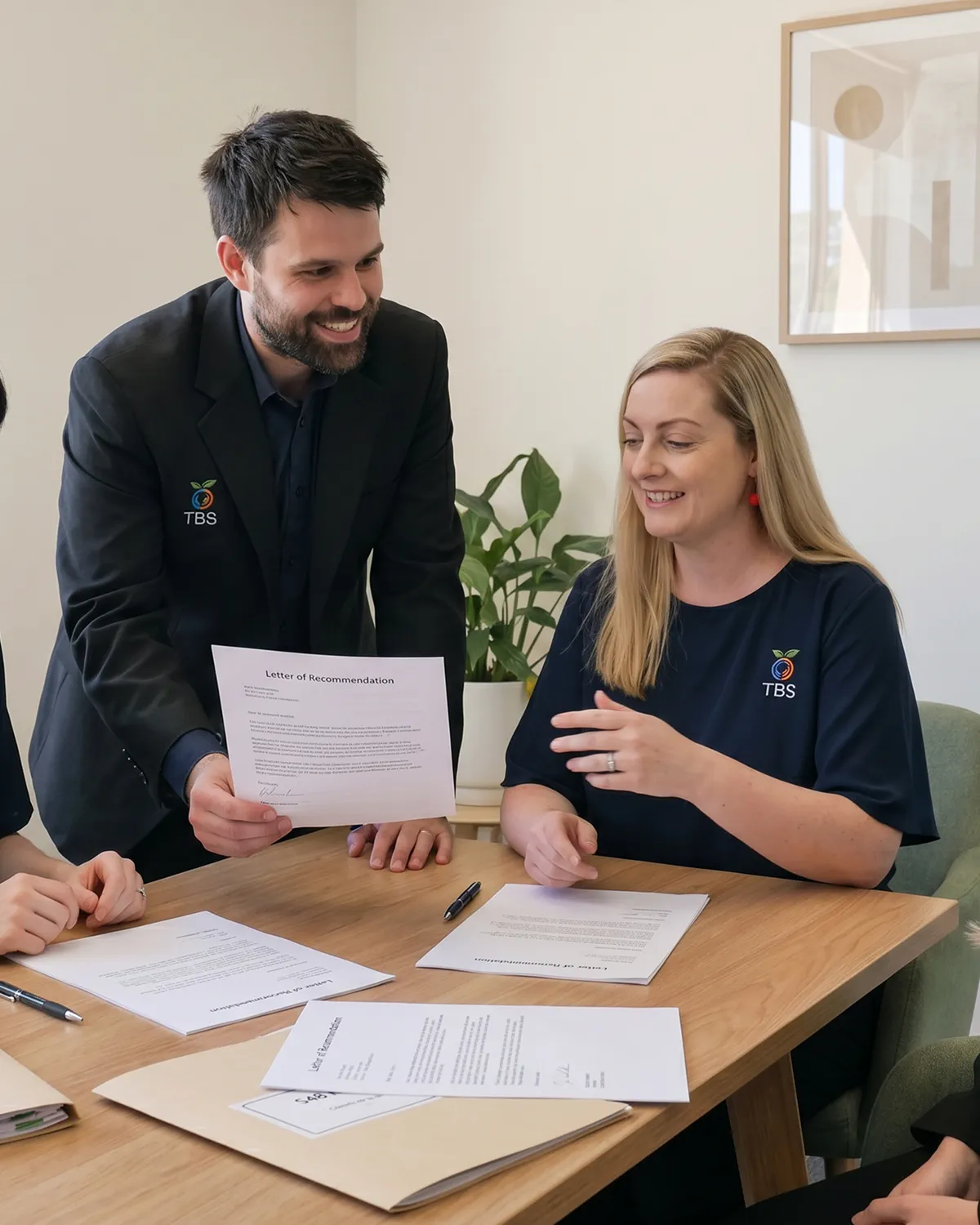
A thorough clinical review that makes the strongest possible case.
We talk through the situation
We start by understanding what’s not working, where the funding is falling short, and what your family member actually needs. This is also where we confirm a Letter of Recommendation is the right document for your circumstances.
We review the clinical picture
Where we already know the participant, we draw on that history. Where we don’t, we conduct the clinical work needed to understand their needs properly, so the letter rests on real evidence, not assertion.
We write the recommendation
We document the needs clearly and recommend funding across every category the evidence supports, not just behaviour support. The letter is written to be understood and acted on by the NDIS, not buried in clinical jargon.
You use it where it counts
You and your support coordinator take the letter into the plan reassessment as formal clinical evidence. We can provide supporting information on request if it’s needed to back the case.
Not sure a Letter of Recommendation is the right document for you? Tell us what’s happening and we’ll point you to the right next step – whether that’s a letter, a full plan, or something else.

Clear, easy-to-follow reports that show how things are tracking and make NDIS plan reassessments far less daunting. Each one is clinically sound and includes funding recommendations across every part of the NDIS plan, not just behaviour support.

A thorough plan shaped entirely around the individual, bringing together everyday strategies to prevent behaviours, ways to respond safely, and new skills to build over time. Where it's ever needed, any carefully governed restrictive practice is fully documented, with a clear plan to reduce it.
The right Letter of Recommendation can change a participant's life. Here's what families and coordinators say about working with us.
You have been so awesome. I was just super happy to be able to tell them how much you have saved us, especially after such a bad experience last time. You really are here for the people, and that really matters to me and so many other people. Everyone praises your excellent reports saying how clear and great they are. You should be super proud of yourself.
Thank you so much for all the effort you have put into this assessment/plan so far. You have managed to write such a comprehensive and detailed report highlighting all of the areas that Ella needs support in. It is the first time we have read a report/assessment about Ella that is so detailed and extremely accurate. Everything is spot on and describes Ella's needs and behaviours so well!
We have had the pleasure of working with Faith across several shared clients, and her professionalism, clinical insight, and consistency have been outstanding.
She communicates clearly, works collaboratively with support teams, and always keeps the participant’s needs at the centre of her practice.
I have had consistently excellent experiences with Target. They always go above and beyond for their participants and bring a genuine, person centred approach to every single situation.
They collaborate so professionally. Communication is clear, timely, and focused on achieving the best outcomes - every time.
From the very start, the support has been outstanding, and our whole family is genuinely happy with how things are going. We really appreciate the dedication and the clear communication, and the difference it's made in such a short time has been remarkable. It's reassuring to finally feel this well looked after.
We've achieved more in just a few months than we managed with our previous providers in years. The commitment and care really stand out, and it's been wonderful to watch the progress and the trust that's been built with our family. They genuinely go above and beyond, and we're so grateful for it.
A Letter of Recommendation is one of the most powerful documents your family member can have at plan reassessment. Here are the questions we hear most often about how ours work.
A Letter of Recommendation, also known as a Section 48 (S48) report, is a formal clinical document submitted to the NDIS to support a participant’s case for funding at a plan reassessment. It provides independent clinical evidence recommending new or increased funding.
“Section 48” refers to the part of the NDIS Act that lets a participant’s plan be reassessed. A Section 48 report – used interchangeably with “Letter of Recommendation” – is the clinical evidence you submit to support that reassessment, setting out the participant’s needs and the funding they require. It’s distinct from a plan variation (a minor change under a different part of the Act); a reassessment is for when needs have changed enough to justify a new plan.
A progress report documents a participant’s outcomes against their current Behaviour Support Plan. A Letter of Recommendation is specifically focused on making the clinical case for funding changes at plan reassessment. Both can be submitted together, and we often provide both.
Yes, and this is one of the things that sets us apart. Because we look across the participant’s whole plan, our Letters of Recommendation can recommend funding across many support categories, including core supports, capacity building, assistive technology, home modifications, specialist disability accommodation, and more.
he clinical time involved is usually funded under your NDIS plan, often through the Capacity Building – Improved Relationships category. Speak with your support coordinator or plan manager to confirm what’s available in the current plan.
Ideally, three to six months before a plan reassessment, to allow enough time for the clinical review and report preparation. If you’re unsure of your family member’s reassessment timeline, your support coordinator or the NDIS can advise.
A Letter of Recommendation is a single clinical document for a specific reassessment. If your goal is bigger – reviewing and increasing funding across your whole NDIS plan – that’s a broader piece of work. We can help with either; talk to us and we’ll point you to the right one.