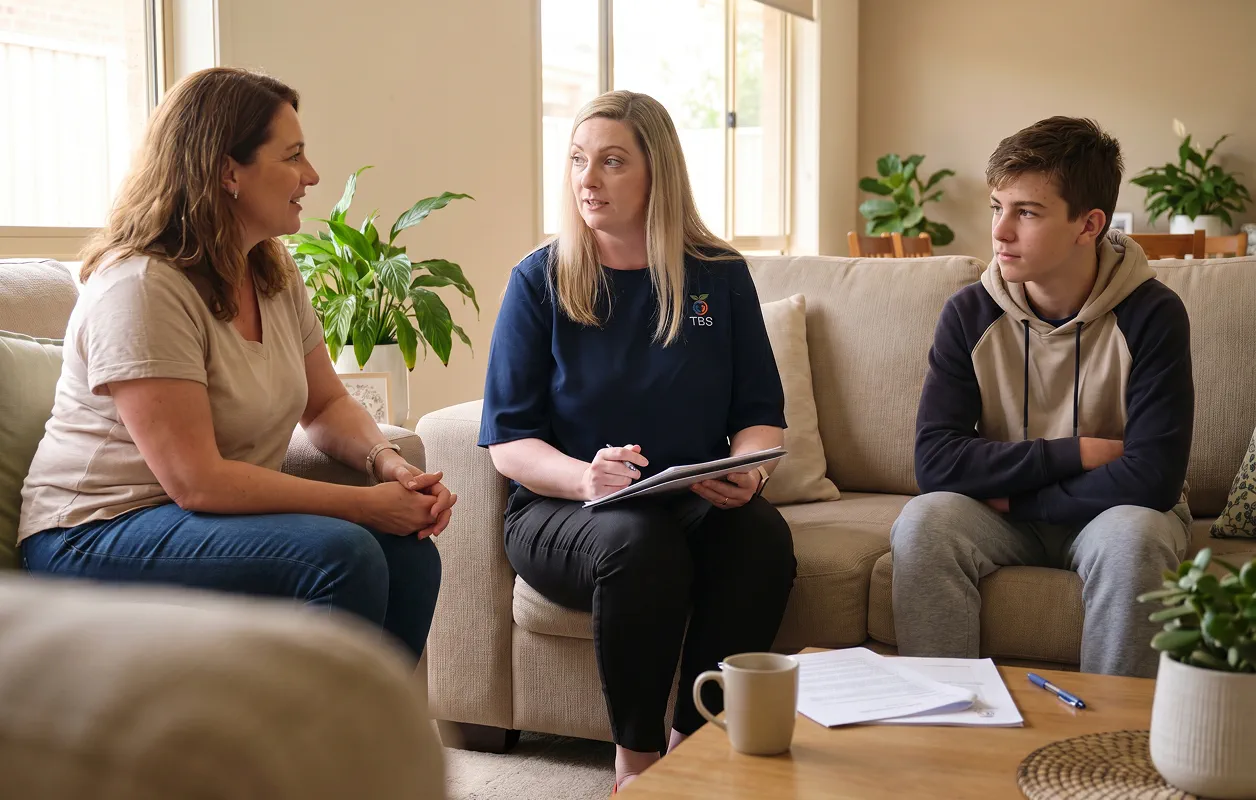

Participants who may be under-funded
If a current plan doesn’t reflect real support needs, our assessments provide the clinical evidence to make the case, and recommend the funding to match.
Service
A plan that doesn't cover what your family member needs isn't the end of the story. We build the clinical evidence to increase your NDIS funding at reassessment, across every support category, not just behaviour support.


NDIS plan support is the clinical evidence and documentation that can increase a participant’s NDIS funding at a plan reassessment, so the plan finally matches what your family member actually needs, not what someone estimated months ago.
Here’s what most families aren’t told: a plan that isn’t working isn’t fixed in stone until it expires. NDIS funding is decided on evidence, and a reassessment is your chance to put a stronger case forward.
We won’t tell you what you want to hear – we’ll tell you honestly whether the evidence supports a stronger case.
And if it does, we’ll build it properly, looking across the whole plan rather than just behaviour support, and flagging funding wherever there’s a real gap.
Most providers fight for their slice of the plan. We fight for the whole person.
If a participant’s funding doesn’t reflect their true needs, plan support can change that. Here’s who it’s designed for.
If a current plan doesn’t reflect real support needs, our assessments provide the clinical evidence to make the case, and recommend the funding to match.
When a plan needs to be reassessed or increased, a Letter of Recommendation from a qualified behaviour support practitioner provides the clinical evidence the NDIS needs to justify new or higher funding.
If a plan doesn’t currently include behaviour support funding, we can assess eligibility and provide the supporting documentation to help the participant access the Improved Relationships category.
We work closely with support coordinators on plan reviews, providing timely, well-documented reports that meet NDIS standards and support strong funding outcomes for participants.
Transitions are a common point of funding disruption. We provide assessments and documentation to make sure a participant’s needs are reflected before and after a provider change or reassessment.
Leanne HAs someone who has worked with many PBS providers over many years, Target Behaviour Services truly are a standout provider who is dedicated, reliable, and simply exceptional to work with.

We’ve helped clients secure substantially larger NDIS plans where the evidence supported it. In one recent case, a participant’s annual plan grew from approximately $500,000 to $2.1 million through a comprehensive funding recommendation report that documented needs across their whole plan.
That’s a notable case, not a typical outcome. Every plan is different, and funding decisions rest with the NDIS, not with us. We’d never promise you a number. What we will promise is to look at the whole picture, listen to what your family is actually living with, and make the strongest, most honest case the evidence allows.
You won’t be doing this alone, and you won’t be handing it to someone who’s only skimmed a file.
At Target Behaviour Services, the person making your case has taken the time to truly understand the participant – so when it matters most, you’ve got people who know your family and know exactly what they’re doing, standing with you.
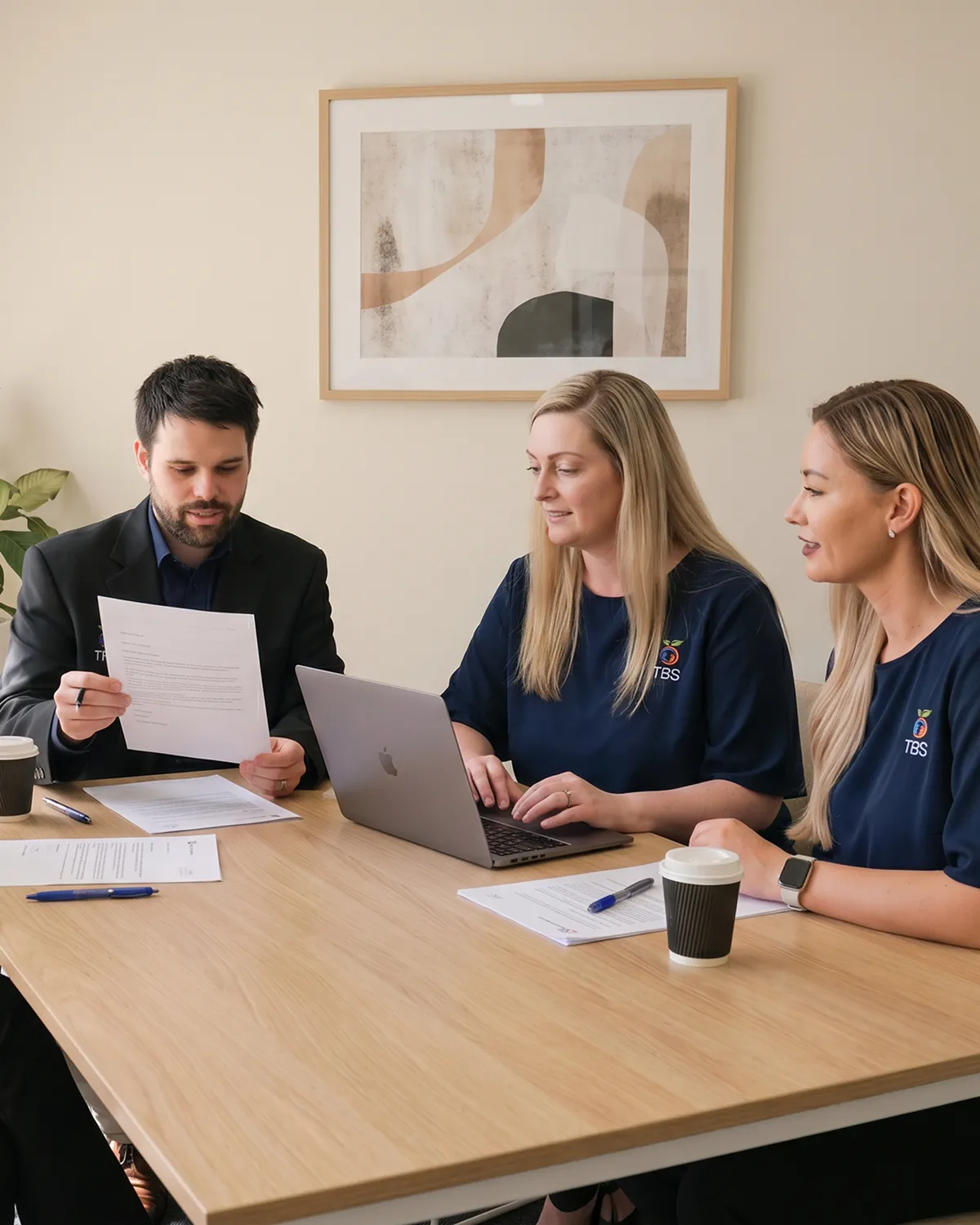
From “this plan isn’t enough” to a case the NDIS can’t easily ignore, here’s how we build it.
We review the whole plan
We start by looking at the participant’s current plan against what they actually need — across every support category, not just behaviour support. This is where the funding gaps become visible
We gather the clinical evidence
Where we already know the participant, we draw on that history. Where we don’t, we do the clinical work needed to document the need properly. Recommendations have to be grounded in genuine evidence, not assertion – that’s what makes them stand up at reassessment.
We write the recommendations
We document the gaps and recommend funding across the categories the evidence supports, in clear language the NDIS can act on. Depending on your situation, this lands as part of a report or as a standalone Letter of Recommendation.
You take it into your reassessment
You and your support coordinator use the documentation as formal clinical evidence at the plan reassessment. We can provide supporting information on request if it helps make the case.
Think a participant might be under-funded? Get in touch and we’ll review the situation with you, telling you honestly whether we think there’s a case to be made.
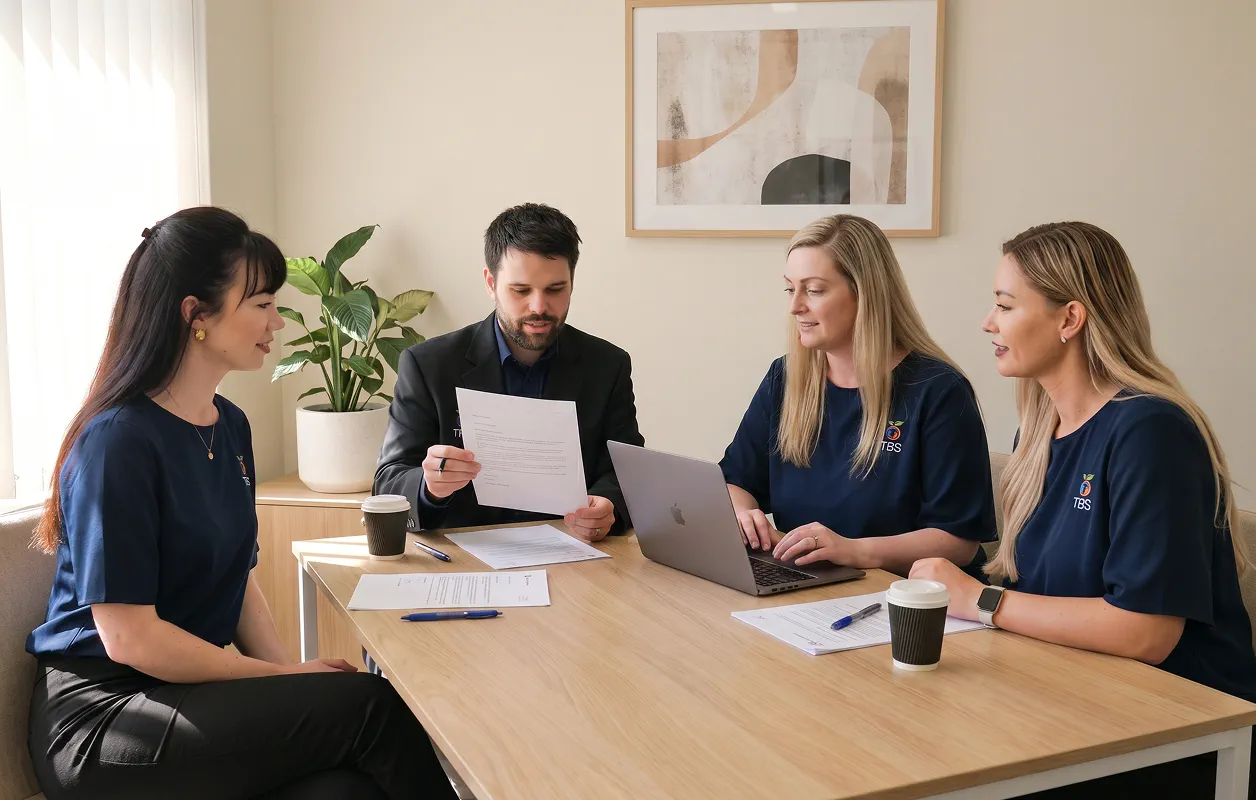
Funding doesn't always reflect what your family member actually needs. Our Letters of Recommendation make the clinical case to the NDIS for the right funding across every support category, not just behaviour support.
Clear, easy-to-follow reports that show how things are tracking and make NDIS plan reassessments far less daunting. Each one is clinically sound and includes funding recommendations across every part of the NDIS plan, not just behaviour support.
When behaviours are escalating and families need answers quickly, they need a provider who can move fast without cutting corners. Here's what families and coordinators say about working with us.
You have been so awesome. I was just super happy to be able to tell them how much you have saved us, especially after such a bad experience last time. You really are here for the people, and that really matters to me and so many other people. Everyone praises your excellent reports saying how clear and great they are. You should be super proud of yourself.
Thank you so much for all the effort you have put into this assessment/plan so far. You have managed to write such a comprehensive and detailed report highlighting all of the areas that Ella needs support in. It is the first time we have read a report/assessment about Ella that is so detailed and extremely accurate. Everything is spot on and describes Ella's needs and behaviours so well!
We had the best services from Faith and Rex from Target Behaviour Support. They were reachable when we needed them and they gave us clear working behaviour strategies on how our team could be efficient. Their reports were timeous and above all they have been consistent. I recommend their services anytime.
We have had the pleasure of working with Faith... and her professionalism, clinical insight, and consistency have been outstanding. She communicates clearly, works collaboratively with support teams, and always keeps the participant’s needs at the centre of her practice.
I have had consistently excellent experiences with Target. They always go above and beyond for their participants and bring a genuine, person centred approach to every single situation. They collaborate so professionally. Communication is clear, timely, and focused on achieving the best outcomes - every time.
From the very start, the support has been outstanding, and our whole family is genuinely happy with how things are going. We really appreciate the dedication and the clear communication, and the difference it's made in such a short time has been remarkable. It's reassuring to finally feel this well looked after.
We've achieved more in just a few months than we managed with our previous providers in years. The commitment and care really stand out, and it's been wonderful to watch the progress and the trust that's been built with our family. They genuinely go above and beyond, and we're so grateful for it.
They're always quick to respond when we reach out, and so understanding and supportive with it. They keep the person at the centre of everything and stay flexible whenever our needs change. Having someone this easy to work with has made a real difference.
Common questions about NDIS funding and plan support.
Improved Relationships is the part of NDIS funding that covers positive behaviour support. It pays for behaviour support practitioners to conduct assessments, write plans, provide implementation support, and report on outcomes. If a participant’s plan doesn’t include Improved Relationships funding, they can’t access PBS services until it’s added.
A plan reassessment is the NDIS process of reviewing a participant’s plan and preparing a new one, including the funding it contains. It’s the main opportunity to change what a plan covers, which is why the clinical evidence you bring to it matters so much. (You may still hear it called a “plan review”; the NDIS now uses “reassessment.”)
Funding increases happen at a plan reassessment, and they’re decided on evidence. The stronger the clinical documentation showing what a participant needs – and why their current funding falls short – the stronger the case. Our reports and Letters of Recommendation are written to provide exactly that evidence.
Most plans run for around 12 months, though some are longer, and a reassessment is scheduled before the plan ends. A reassessment can also be requested earlier if a participant’s needs change significantly. Because we report throughout the plan, the evidence is ready when reassessment comes around, not scrambled together at the last minute.
Sometimes. If needs have changed significantly, a participant can request an earlier reassessment, or in some cases a minor variation to the existing plan. Whether that’s the right path depends on the circumstances, just get in touch and we’ll help you work out which applies.
Yes, and it’s one of the main things that sets us apart. Because we review the whole plan, our reports can recommend funding across many categories, including occupational therapy, support coordination, assistive technology, home modifications, supported accommodation, and core supports – wherever the evidence shows a need.
Yes. Support coordinators are a primary referral source for plan support. Submit a referral through our referral form and we’ll respond within 24 hours to discuss the participant’s specific situation.