Getting Started
How it works
Starting positive behaviour support can feel overwhelming when you don't know what the journey actually looks like. We've made it clear, from your first enquiry through to assessment, planning, and the ongoing support that helps strategies work in everyday life.

How does positive behaviour support work?
Positive behaviour support works by understanding the person and the reasons behind their behaviour, then building practical support around them so daily life becomes easier. Rather than focusing on the behaviour itself, it looks at what the behaviour is communicating and changes the environment and supports to meet that need.
At Target Behaviour Services, that happens through a clear, staged process. We start by getting to know the person and their situation, carry out a thorough assessment, put immediate strategies in place where they’re needed, then develop a longer-term plan and support the people around the person to put it into practice.
Every participant’s situation is different, so the journey can flex depending on their goals, the level of risk, and how their NDIS funding is set up. The steps below give families, carers, and Support Coordinators a simple picture of what to expect.
The positive behaviour support journey, step by step
A clear, supportive process, so you always know what’s happening next.
-
Get in touch
Families can make an enquiry, and Support Coordinators can submit a referral with the participant’s details and NDIS plan. A participant needs an active NDIS plan to get started. The behaviour support funding itself doesn’t have to be in the plan yet, and where it isn’t, we can help build the case to add it at the next plan reassessment. Not sure where to begin? Start with a general enquiry and we’ll guide you from there.
-
Matching you with the right clinician
We match each participant with a practitioner suited to their needs, preferences, location, and the complexity involved. Getting the right fit early matters, because the relationship between the person and their practitioner is a big part of what makes support work.
-
Functional Behaviour Assessment
Our clinician gathers a full picture from the participant, family, carers, support workers, schools, and other professionals involved. This Functional Behaviour Assessment is how we come to understand the behaviour, the triggers, the environment, and the need behind it, so support targets the cause rather than the symptom.
-
Building the behaviour support plan
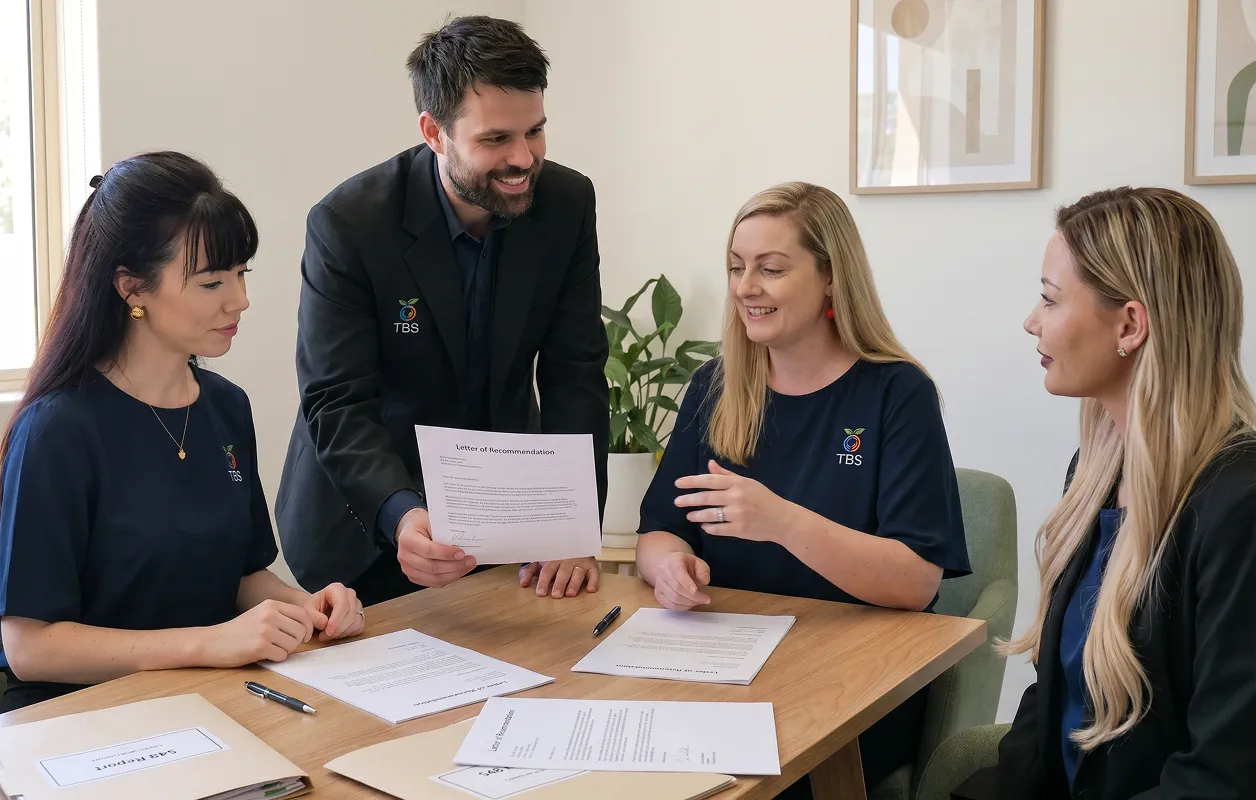
Where someone needs support straight away, we put an Interim Behaviour Support Plan in place with practical strategies to use right now. We then develop the Comprehensive Behaviour Support Plan, the long-term plan tailored to the person’s everyday life. Our reports recommend funding across the whole NDIS plan rather than behaviour support in isolation, and where a restrictive practice is involved, it’s carefully governed, with a clear plan to reduce it over time.
-
Implementation and review
Support doesn’t stop at the plan. We work with families, staff, and support teams to put the strategies into practice, build skills, and review progress over time. As the person’s needs change, we adjust the plan and keep everyone aligned, with the same clinician staying alongside them through the journey.
Every journey looks a little different, but the goal is always the same: practical support that works in real life and keeps working as things change. Wherever you are right now, we’ll help you take the next step.
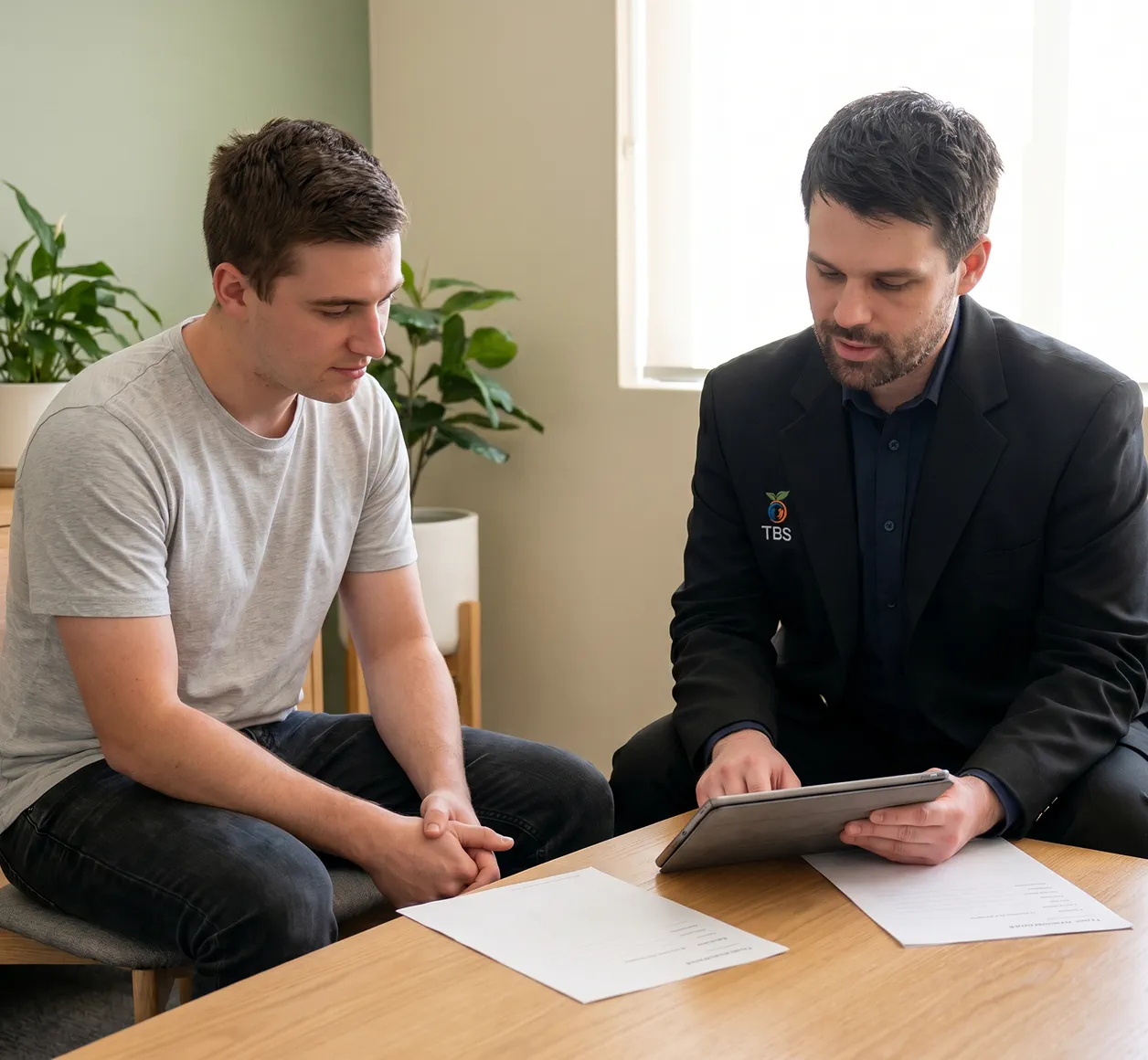
How long does positive behaviour support take?
Positive behaviour support is a long-term process, and it’s worth knowing that from the start. Meaningful behaviour change usually takes a minimum of six months, and often longer, because real change comes from understanding the person deeply and adjusting the supports around them, not from a quick fix.
The early stages move quickly. We respond to enquiries and referrals within 24 hours, and where someone needs help right away, an interim plan can put strategies in place early. The longer arc, building skills, embedding strategies, and seeing behaviour genuinely shift, is where the months come in.
That’s also why it matters that our clinicians stay for years. The person keeps the same practitioner who knows their story, so progress builds on itself rather than starting over.
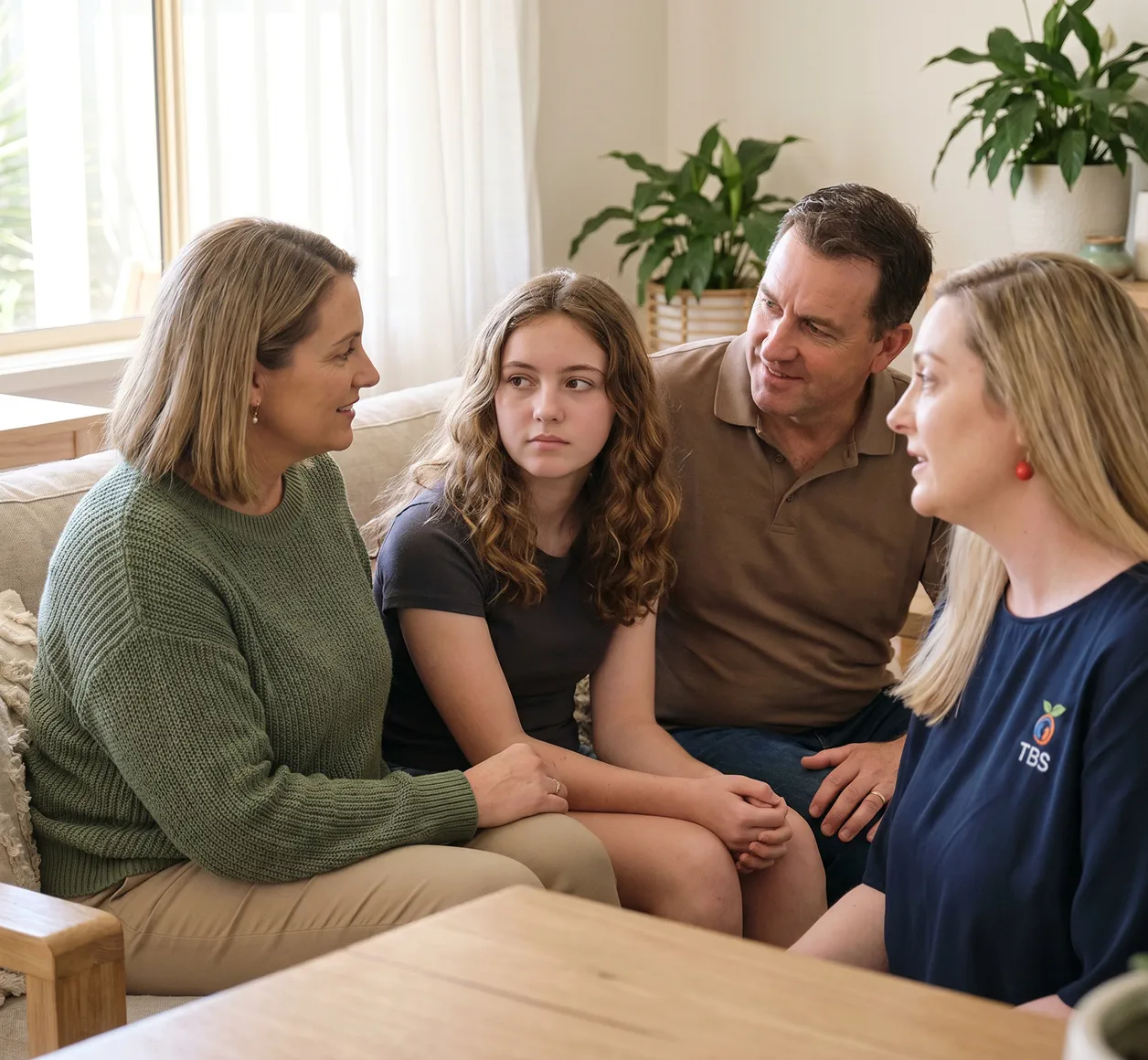
What helps us get started
The more we know at the beginning, the easier it is to understand the participant’s needs and guide the next step clearly. It’s fine if you don’t have all of this, but useful information includes:
- The participant’s current NDIS plan
- Contact details for the family, guardian, or Support Coordinator
- Any current support providers involved
- Existing behaviour support plans, reports, or assessments
- Key risks, behaviours of concern, or urgent support needs
- The participant’s goals and how they prefer to communicate
- The home, school, work, or community settings involved.
Common questions about getting started
There's no such thing as a question that's too small. Here are the ones families and coordinators ask us most before taking the first step.
Should I make an enquiry or submit a referral?
If you’re a family member or carer with questions, start with an enquiry. If you’re ready to provide participant details and NDIS information, you can submit a referral. Either way, we’ll guide you from there.
Do participants need an NDIS plan?
Yes. Target Behaviour Services works with participants who have an active NDIS plan and suitable funding for the support being requested.
How quickly will someone respond?
We aim to respond to every enquiry and referral within 24 hours. If we need more information, we’ll contact the right person to clarify the next step.
What happens after I submit a referral?
We review the information you’ve shared, check the participant’s needs and funding, then get in touch to confirm the most suitable next step before anything begins.
Do you support people outside Perth?
Yes. We support participants across Perth, and reach regional and remote WA through telehealth, depending on the service and circumstances.