
Interim Behaviour Support Plan
Fast, practical strategies put in place within days of referral so support starts straight away, while the full assessment is still underway. The first step when a situation can't wait.
Learn MoreServices
Real change is possible even when things feel stuck. Evidence-based, person-centred behaviour support from Perth's NDIS-registered PBS specialists, for all ages, all conditions, and every level of complexity.

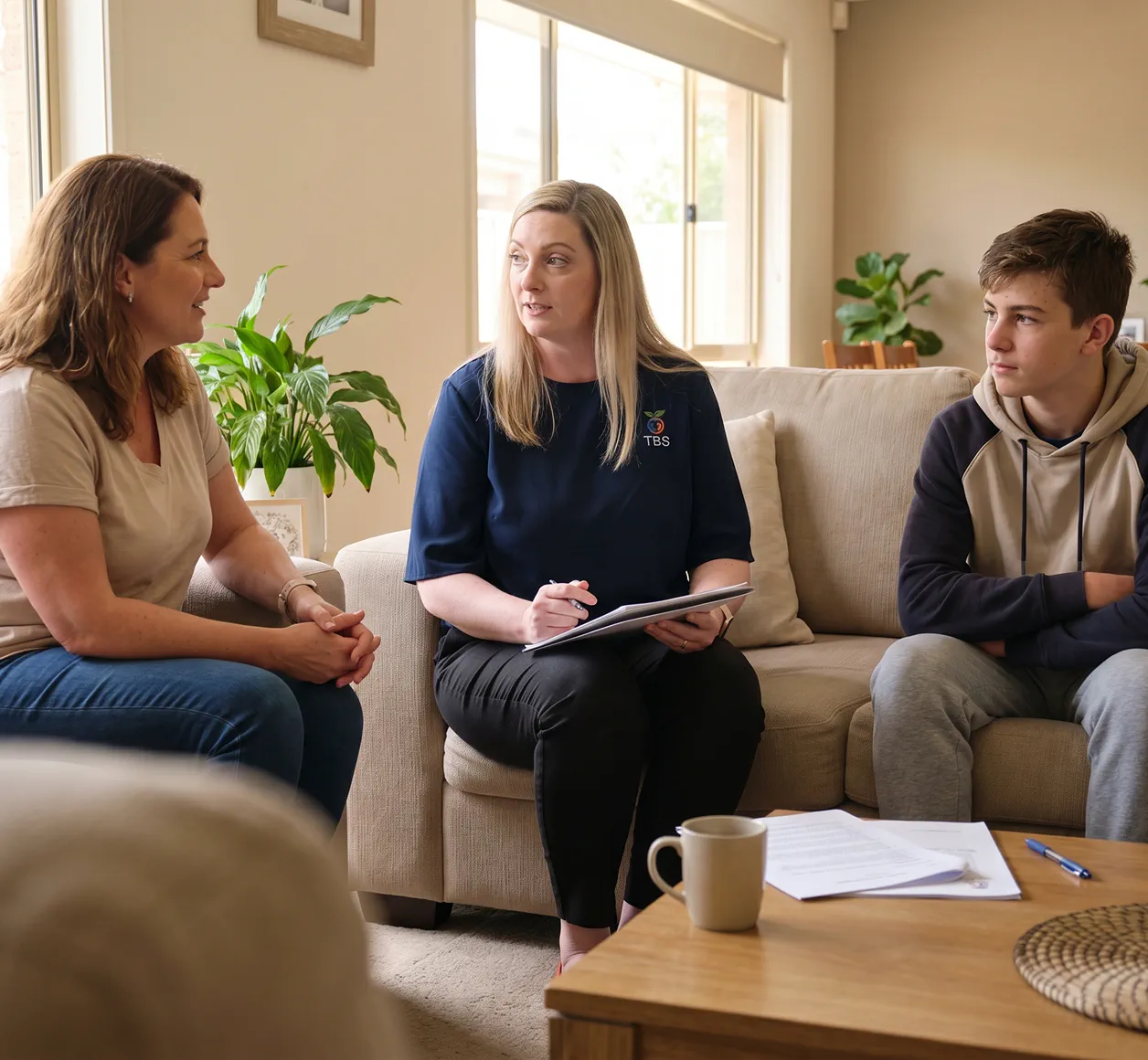
When someone you care for is struggling with behaviours that are hard to manage, or that put them or others at risk, it can feel overwhelming and isolating. Positive behaviour support is a way forward. Here’s what it is, and how it helps.
Positive behaviour support (PBS) is an evidence-based approach that improves a person’s quality of life by understanding why a behaviour is happening and addressing the need behind it, rather than trying to suppress or control the behaviour itself. It’s a long-term, collaborative process built around the individual, not a quick fix, and it’s the framework required under the NDIS.
It rests on a few core ideas:
Done properly, positive behaviour support doesn’t just change behaviour. It changes lives.

Whatever the situation, we start in the same place: understanding the person. Positive behaviour support isn’t only for children – we support people of all ages, from young children through to older adults, and the right support looks different for each.
We work across:
If you’ve been told a situation is “too complex,” or you’ve struggled to find a provider who’ll take it on, that’s exactly the kind of work we’re here for.
Whatever the situation, our focus is the same: understanding the person, and supporting them to live the life they want.
Every PBS engagement at Target Behaviour Services is tailored to the individual, but most follow a clear pathway, from first assessment through to long-term support. Here's how it fits together.
Fast, practical strategies put in place within days of referral so support starts straight away, while the full assessment is still underway. The first step when a situation can't wait.
Learn More
The clinical starting point. We identify what's driving a behaviour – its triggers, its function, and what's maintaining it – to build a plan that addresses the cause, not just the symptoms.
Learn More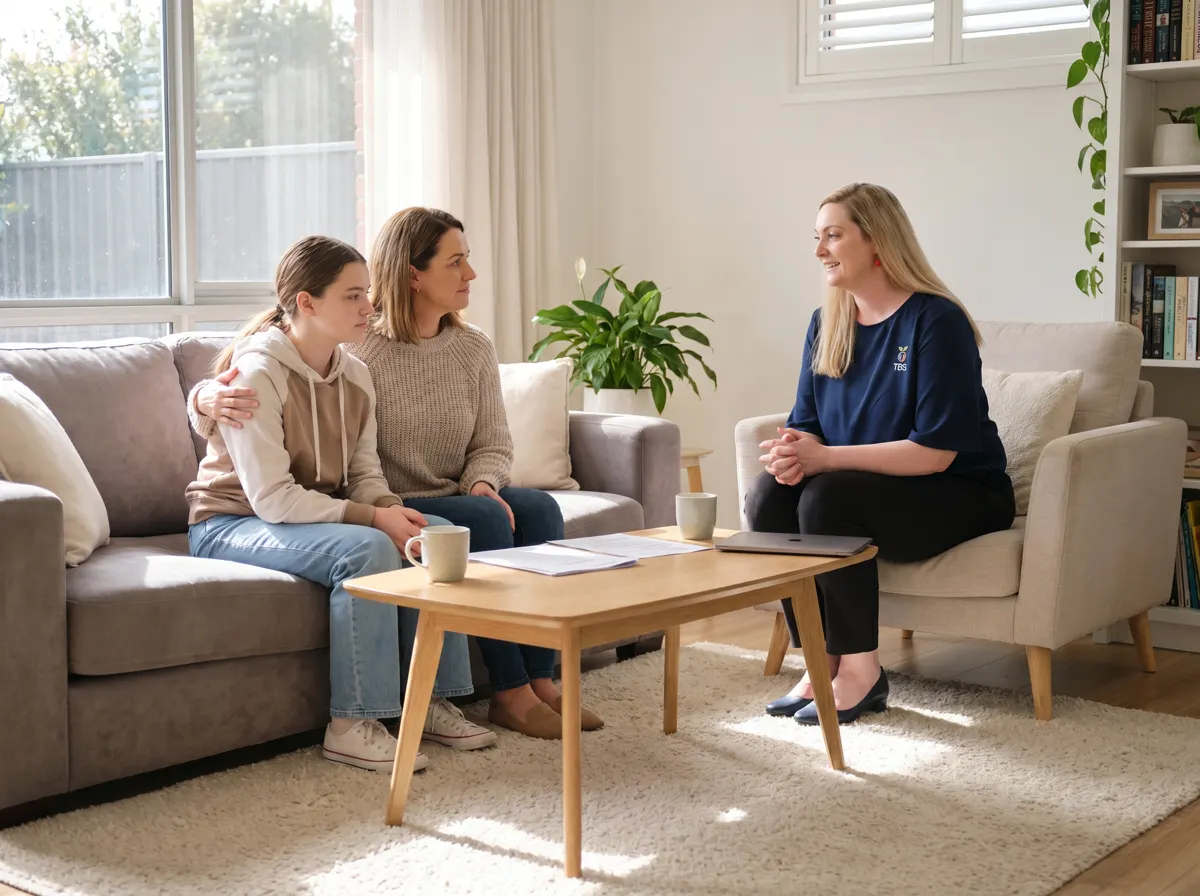
A detailed, NDIS-compliant plan built on the assessment, covering prevention strategies, skill-building, safe responses, and, where needed, carefully governed restrictive practice authorisation with a clear reduction plan.
Learn More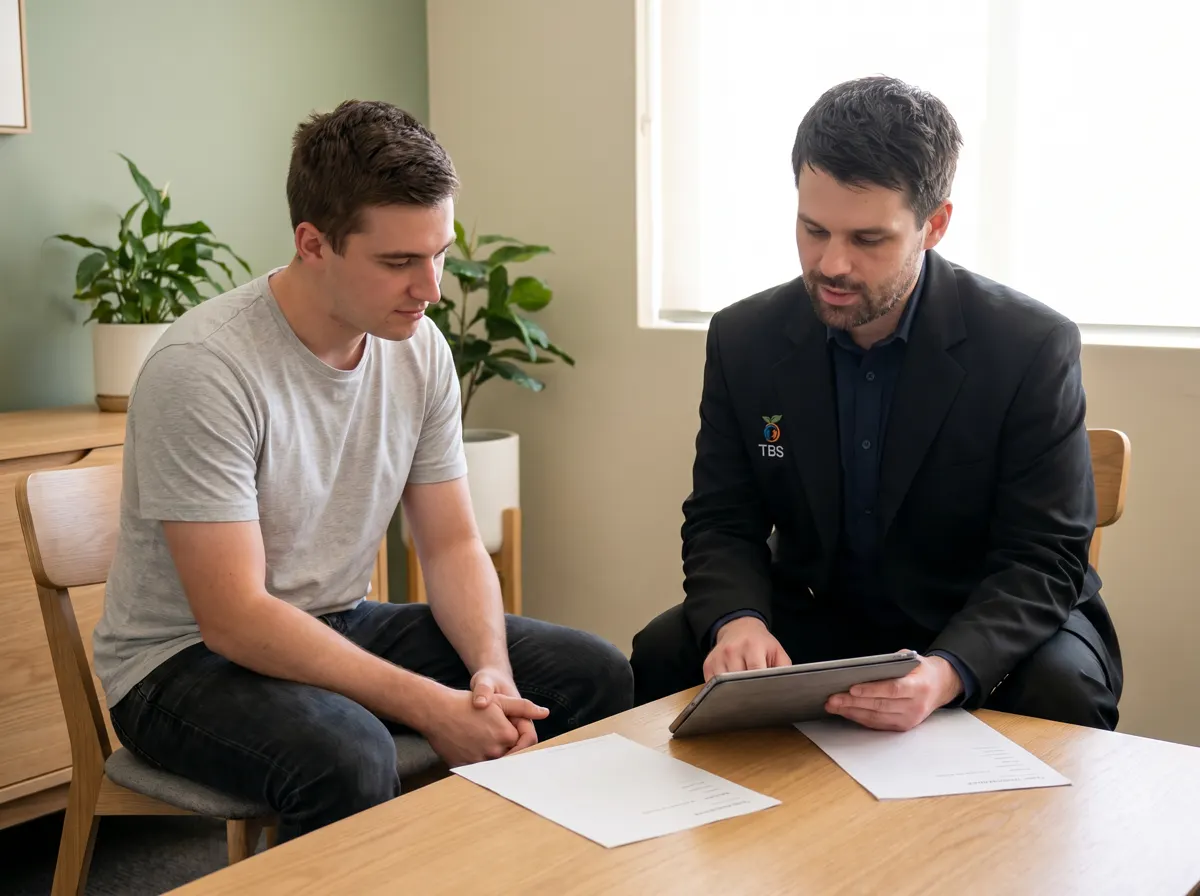
Clear, clinically sound reports that track progress against goals and support NDIS plan reassessments, including funding recommendations across every NDIS support category, not just behaviour support.
Learn More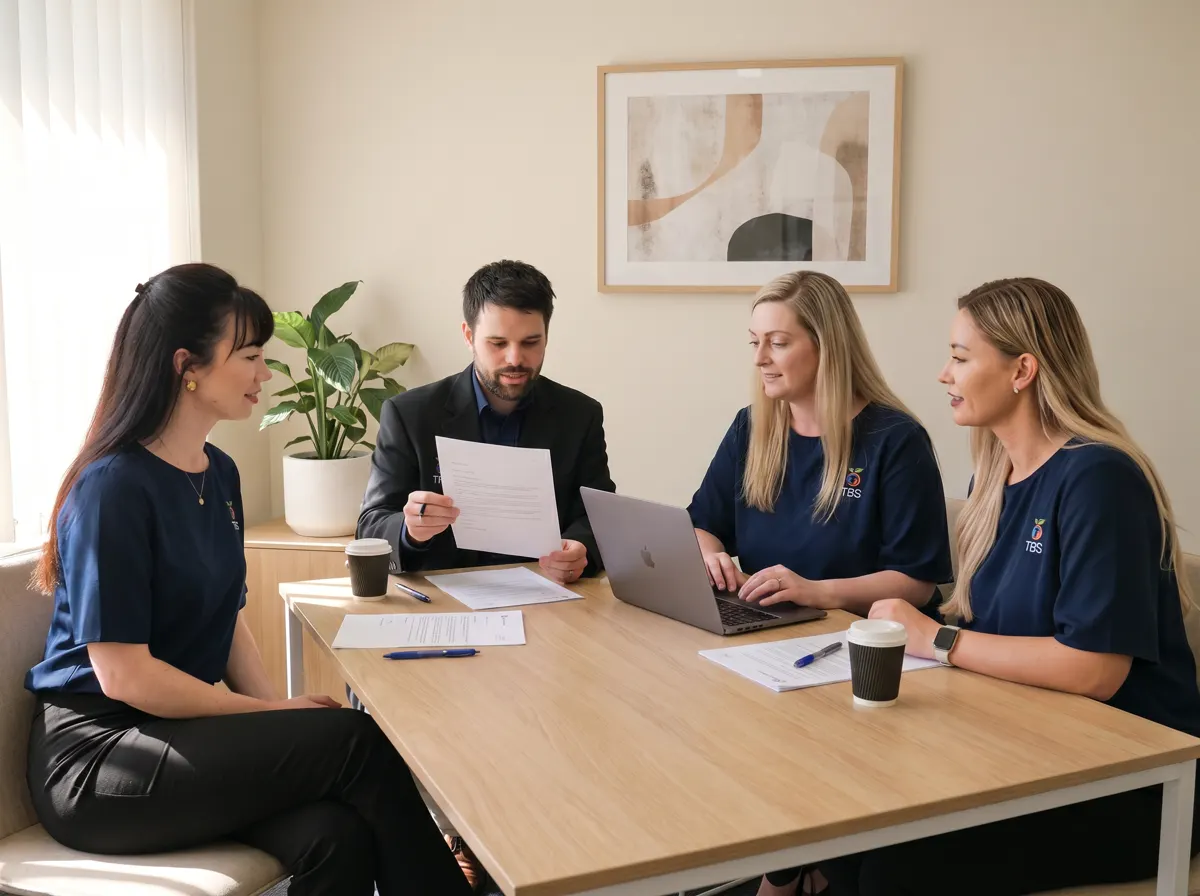
A formal clinical report that makes the case to the NDIS for the funding a participant genuinely needs across every support category, ahead of a plan reassessment.
Learn MoreHelp making sense of how PBS is funded, and, where there's a clinical case, recommendations to strengthen funding across the whole NDIS plan, not only behaviour support.
NDIS Funding & Plan SupportA step-by-step look at the TBS PBS journey, from first referral through assessment, planning, and ongoing support.
See how it worksWe’re the only specialist PBS provider in Perth, and that depth shows up in every part of the service.
Three consecutive APAC Insider awards, and an approach grounded in current behaviour science, so the support you receive is genuinely best-practice, not guesswork.
A clean record across every NDIS audit category we’ve undergone, including the complex, high-risk areas – so you can trust the person you support is in safe, accountable hands.
While much of the sector burns through clinicians within a year, ours stay for years. This means no re-explaining the person’s story to someone new every few months. You build a real relationship with someone who knows them.
We match each person with a practitioner suited to their needs, background, and the complexity of their situation, not simply whoever’s free, because the right fit makes all the different to how support works.
Most providers run months-long waitlists. We respond within 24 hours and begin without delay, because when someone needs support, waiting isn’t good enough.
Our reports recommend funding across a participant’s whole NDIS plan, not just behaviour support, so the people we support get access to everything they’re genuinely entitled to, not just what’s easy to claim.

Every person’s support is different, but the shape of the journey is consistent. Here’s what working with us actually feels like, from the first conversation onward.
Getting to know the person
We start with who they are, what matters to them, and what the people around them are dealing with day to day, then match them with the practitioner best suited to their situation, not whoever’s free.
Understanding the behaviour
Before we suggest a single strategy, we take time to work out why a behaviour is happening and what keeps it going. Everything that follows is built on getting this right.
Support that starts early
Where a situation is urgent, no one waits for the full picture to be complete. Practical strategies go in place early and deepen as our understanding grows.
A plan built around the individual
We shape the plan to the individual and coach the family, carers, and support workers who put it into practice – because a plan only works if the people using it are confident with it.
A long-term partnership
We stay involved, reviewing and adjusting as things change. Positive behaviour support takes time, and the same practitioner stays with the person throughout. This continuity makes lasting change possible.
Funding can be one of the most stressful and confusing parts of the NDIS, and worrying about whether it’s covered shouldn’t get in the way of getting support.
Here’s how it works for behaviour support, in plain terms.

We support participants right across Western Australia, as well as the wider country.
The questions we hear most often from people considering positive behaviour support.
Anyone involved in the person’s support can get in touch – families and carers, Support Coordinators, GPs, and allied health professionals. The only requirement is an active NDIS plan. Whether you’re making a formal referral or just starting with a question, we’ll guide you through what happens next.
Positive behaviour support is a long-term process, not a quick fix. Some changes can come sooner, but meaningful, lasting change usually develops over months as strategies are applied consistently and reviewed. We’ll be upfront about what to realistically expect for your situation from the very start.
Positive behaviour support is usually funded under the Capacity Building, Improved Relationships category. If you’re not sure whether your plan includes it, get in touch. We’ll help you understand what’s there and what your options are.
Yes. We work across the full spectrum of complexity, including high-risk and complex presentations that many providers won’t take on across homes, schools, the community, and other settings. Whatever the situation, our focus is the same: understanding the person and supporting them to live well.